Soot Formation & Morphology
A Molecular Modeling Perspective
Full outline
This dissertation provides a comprehensive exploration of soot formation from a molecular modeling perspective, addressing critical gaps in current knowledge through state-of-the-art reactive molecular dynamics (RMD) simulations.
I. Introduction & Background4
Establishes the context for the research by defining soot, explaining its significance, outlining the formation process, and identifying key knowledge gaps.
What is Soot?
Nanoparticles from incomplete combustion of carbon-based fuels.
Why is it Important?2
Soot has significant negative impacts on both human health and the global environment.
Health Impacts
Linked to respiratory problems, cardiovascular diseases, and increased mortality rates.
Environmental Impacts
Contributes to atmospheric heating (radiative forcing) and accelerates the melting of polar ice by reducing surface albedo.
Fundamental Processes of Soot Formation5
A multi-stage process involving complex chemical and physical transformations.
See: Figure 4.2 (p. 74)
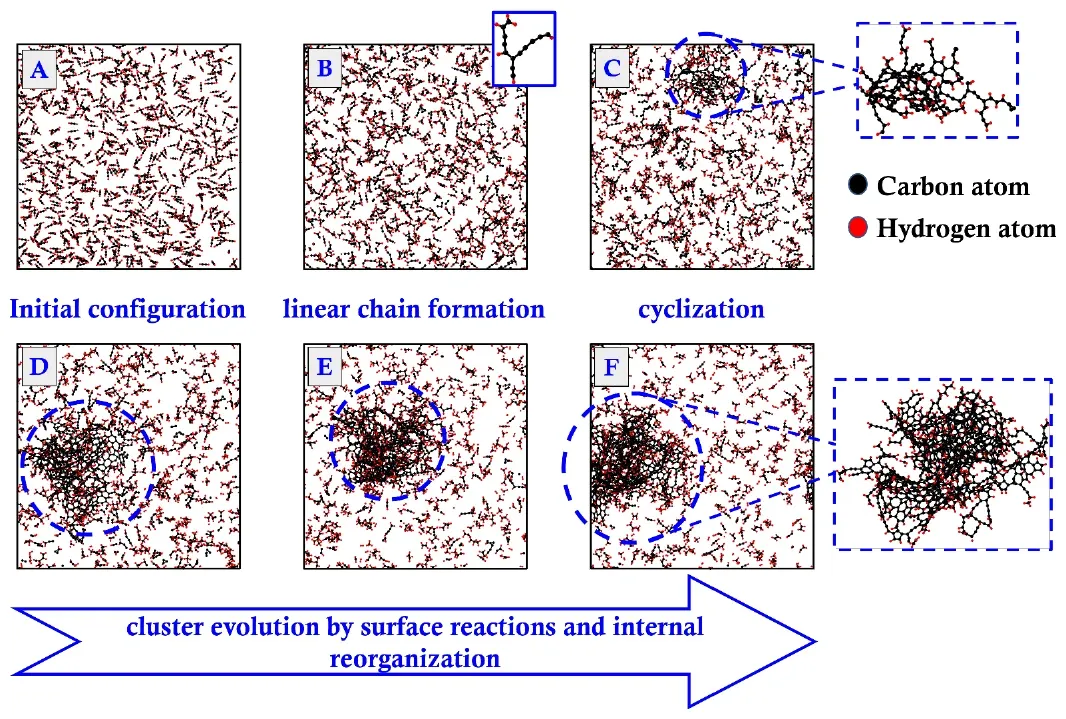
Gas-Phase Precursor Formation
Initial formation of molecules like Polycyclic Aromatic Hydrocarbons (PAHs).
Inception/Nucleation
The critical, least-understood step where gas-phase molecules transition into solid nanoparticles (Gas-to-Particle transition).
See: Figure 3.1 (p. 60)
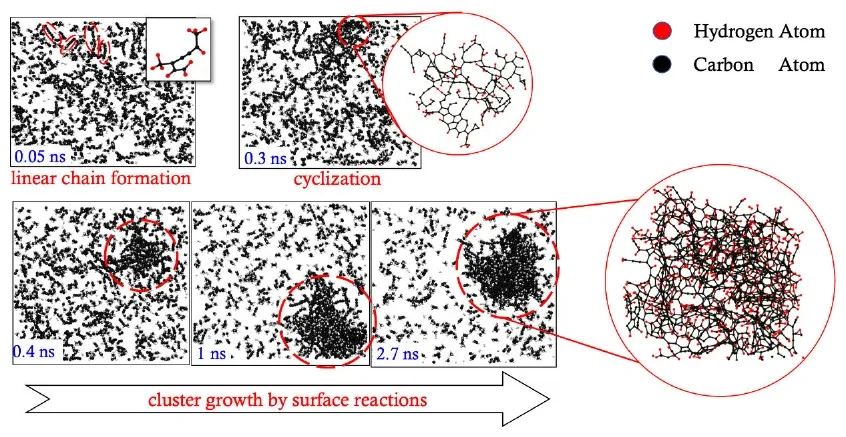
Surface Growth
Particles grow by adsorption and chemical reactions on their surface.
Coagulation & Aggregation
Smaller particles collide to form larger, fractal-like aggregates.
Oxidation
The process where soot particles are consumed by reacting with oxidizers like O₂.
Research Gaps & Motivation3
Key limitations in current soot research that motivate this dissertation.
Model Simplifications
Existing engineering models rely on oversimplified assumptions like spherical particles and fixed densities.
Diagnostic Limitations
Nanoscale transformations occur too quickly and at too small a scale for most experimental tools to capture directly.
Morphological Uncertainty
The complex internal structure and surface of nascent soot are not well understood.
II. Methodology: RMD & MAFIA-MD2
Details the computational approach, centered on Reactive Molecular Dynamics and the novel MAFIA-MD software developed for this work.
See: Figure 2.3 (p. 39)
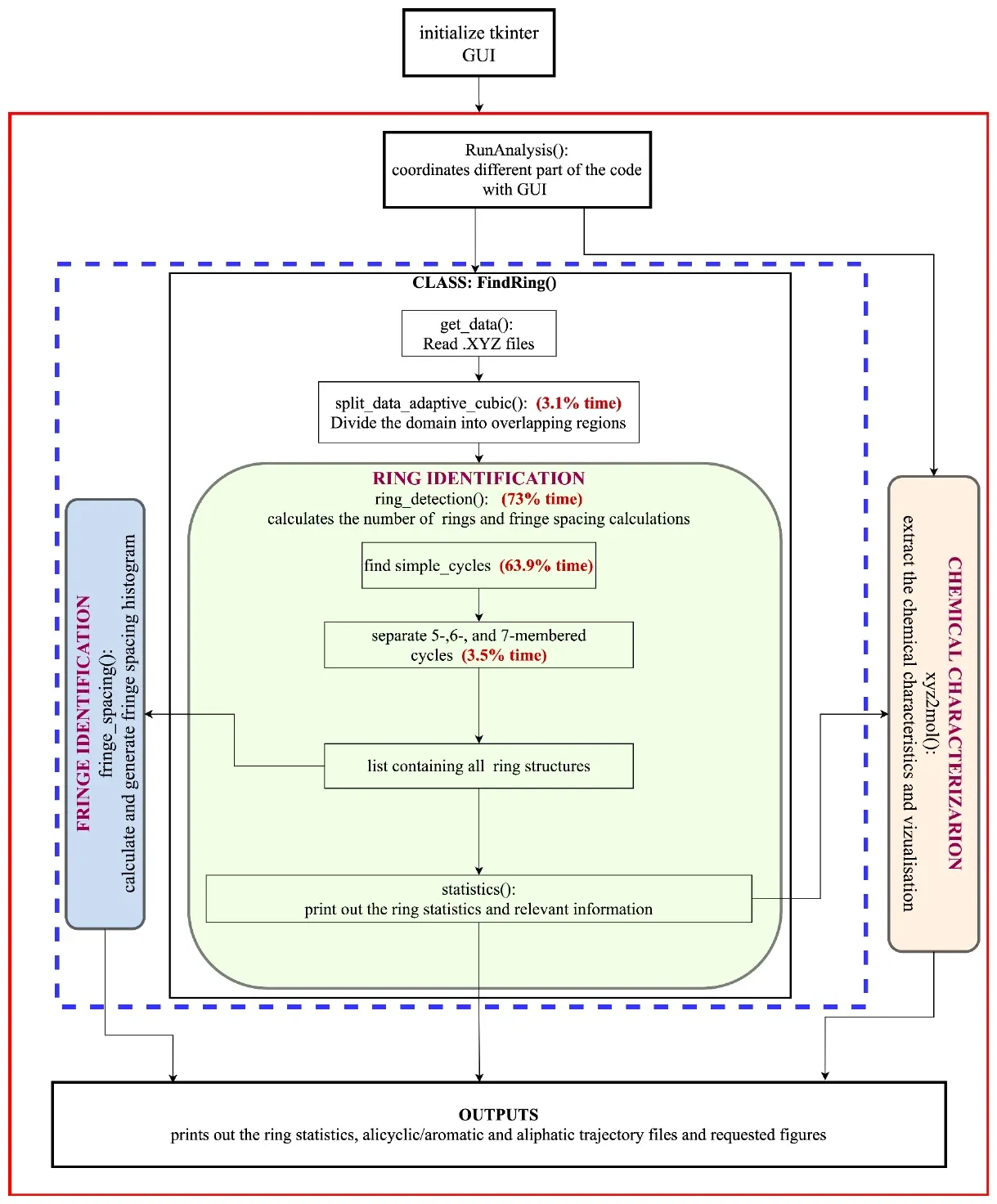
Reactive Molecular Dynamics (RMD)
A powerful simulation technique that models chemical reactions at the atomic level, capturing bond breaking and formation.
See: Figure 3.1 (p. 60), Figure 4.2 (p. 74)
MAFIA-MD Software3
A novel post-processing tool (Molecular Arrangement and Fringe Identification and Analysis from Molecular Dynamics) created to analyze RMD simulation outputs.
See: Figure 2.3 (p. 39), Figure 2.5 (p. 43), Table 2.2 (p. 54)
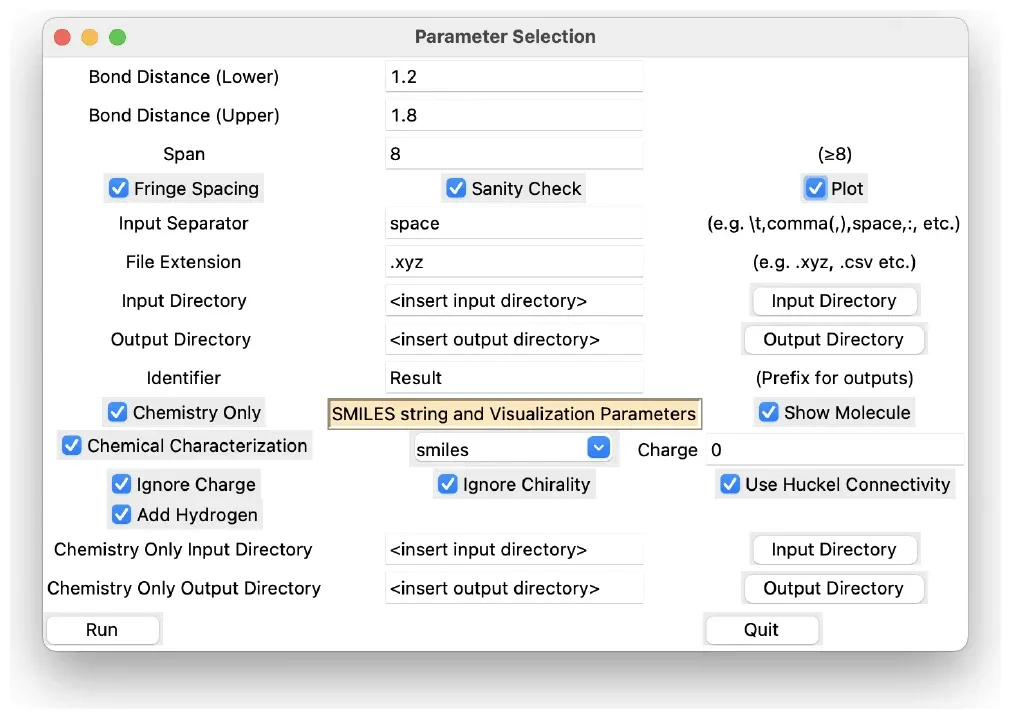

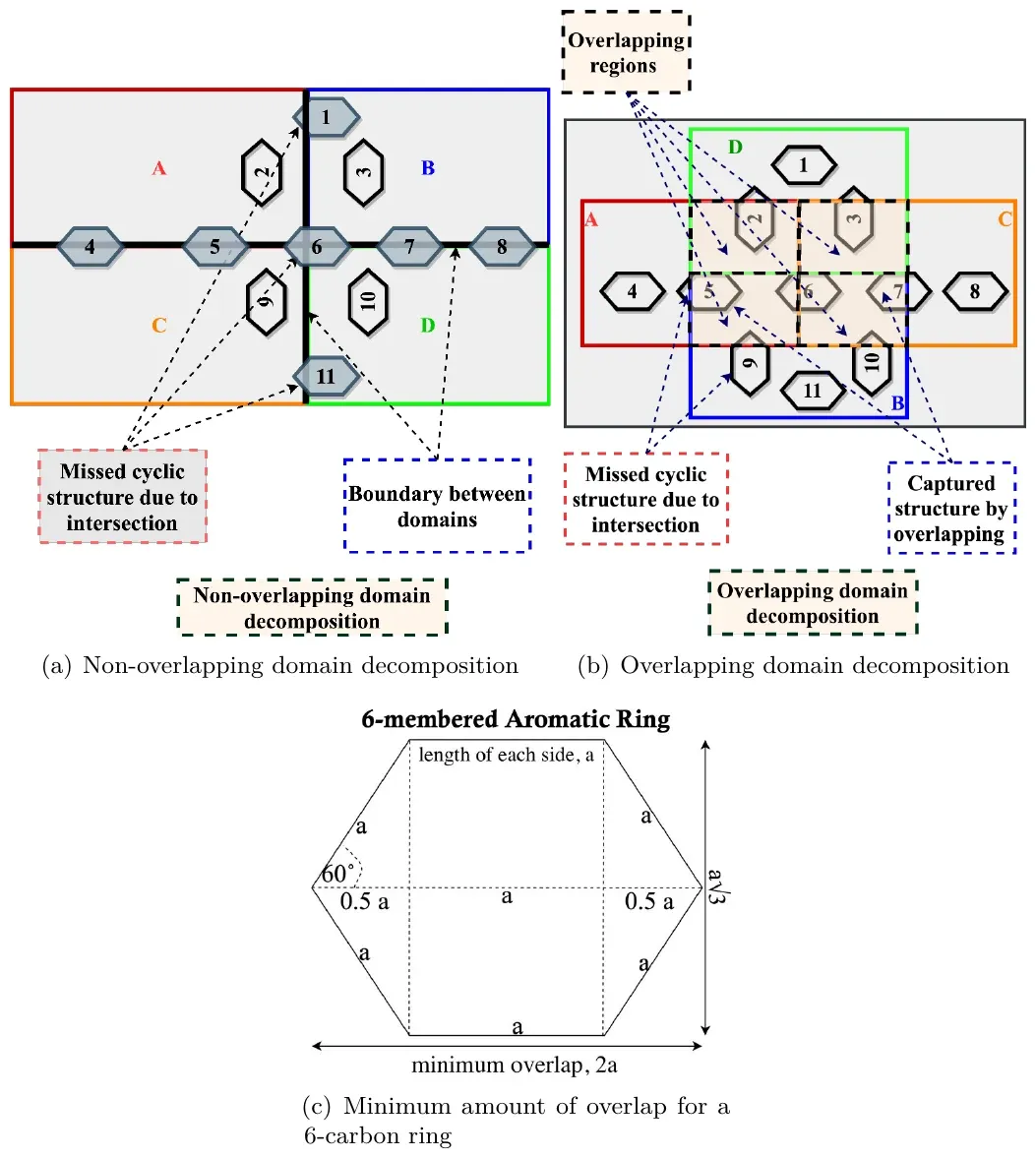
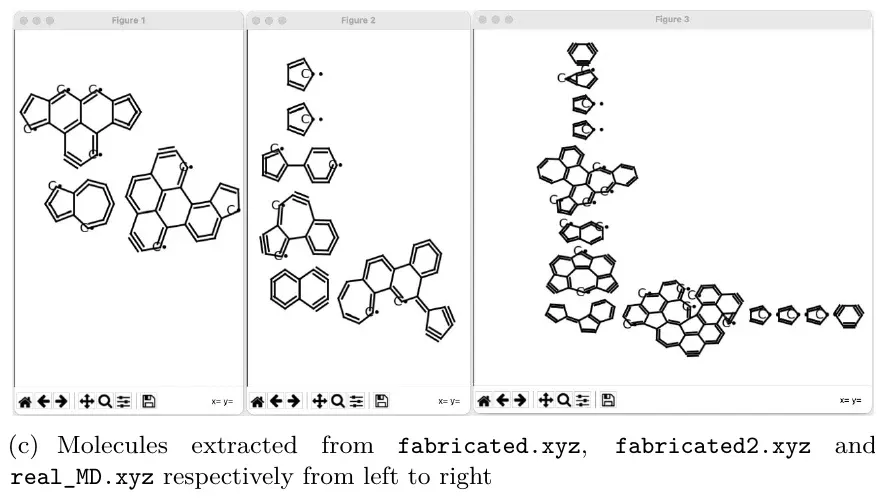
Identifies Cyclic Structures
Detects and quantifies 5, 6, and 7-membered rings, which are crucial for understanding soot's core structure.
See: Figure 2.1 (p. 31), Figure 2.6 (p. 51)
Performs Chemical Characterization
Determines the chemical composition and properties of molecules within the simulation.
See: Figure 2.6 (p. 51)
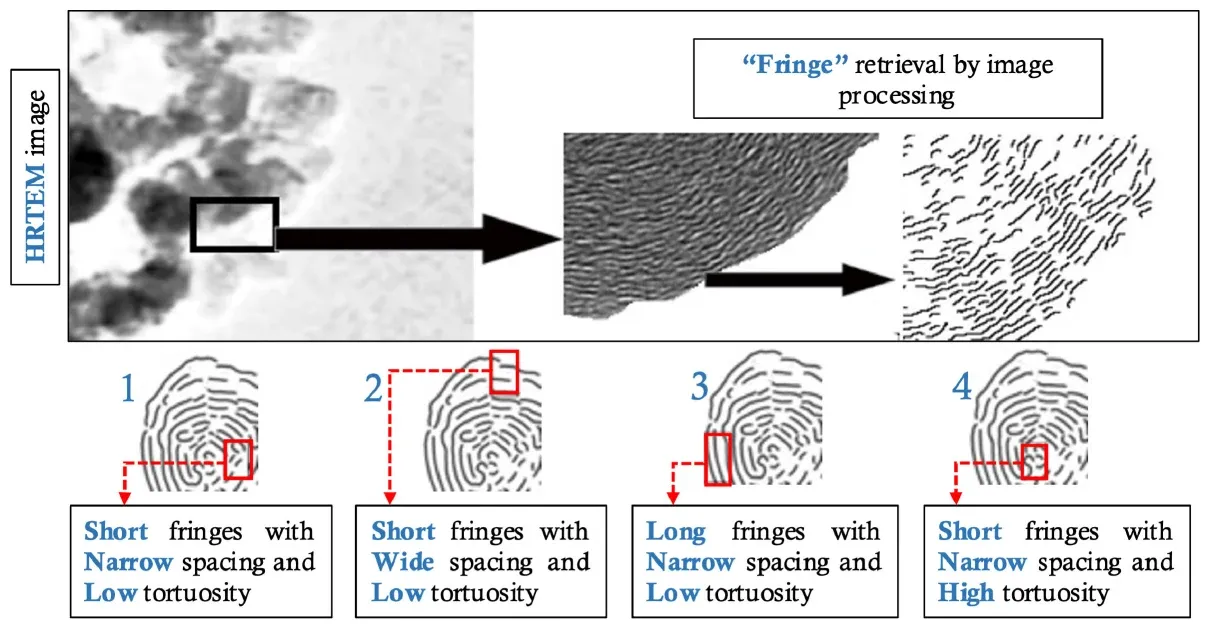
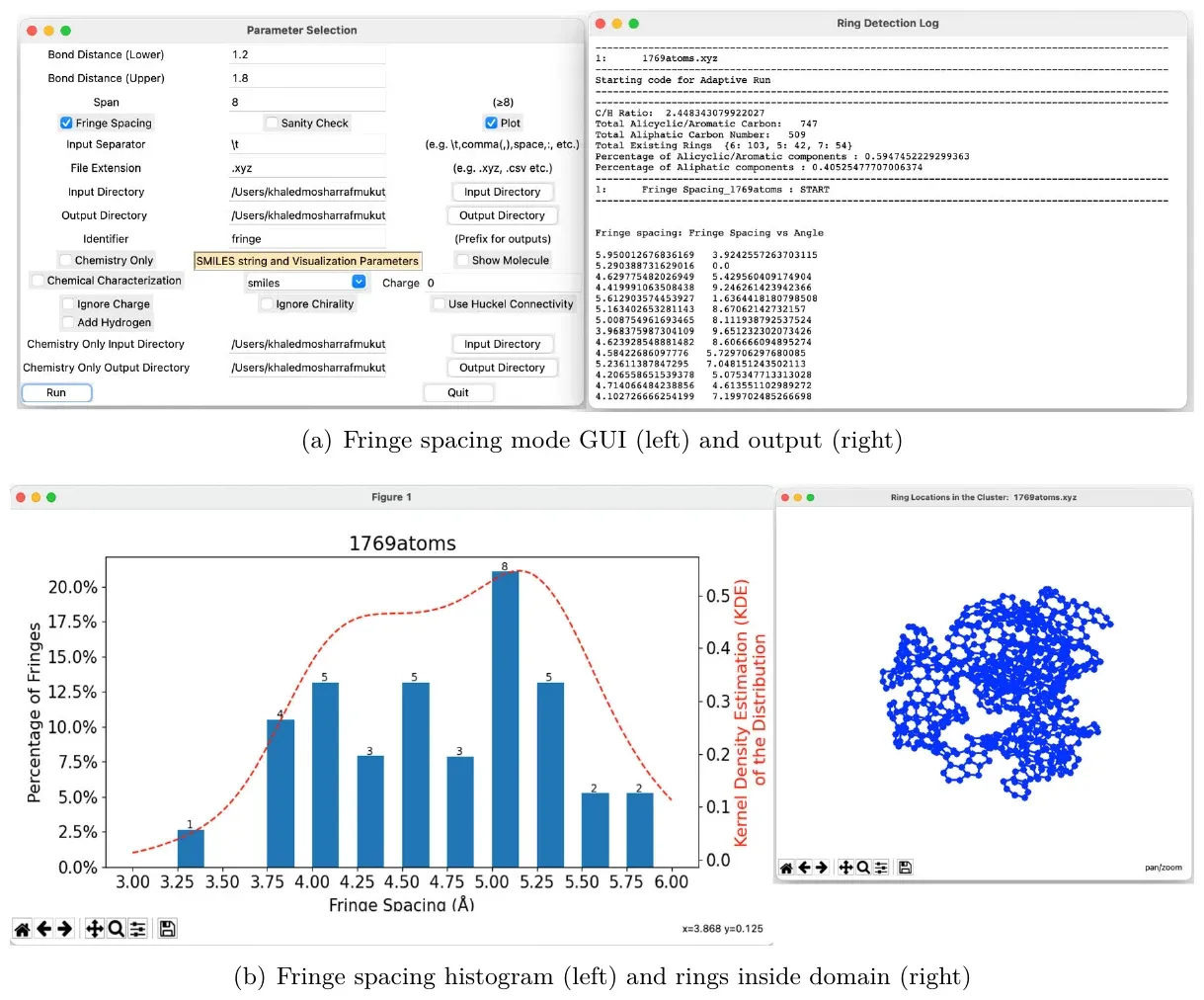
Analyzes Molecular Fringes
Simulates structural features that can be directly compared with High-Resolution Transmission Electron Microscopy (HRTEM) images for validation.
See: Figure 2.2 (p. 37), Figure 2.7 (p. 53)
III. Key Research Findings4
Presents the novel discoveries and characterizations of incipient soot derived from the RMD simulations and MAFIA-MD analysis.
See: Figure 4.4 (p. 77)
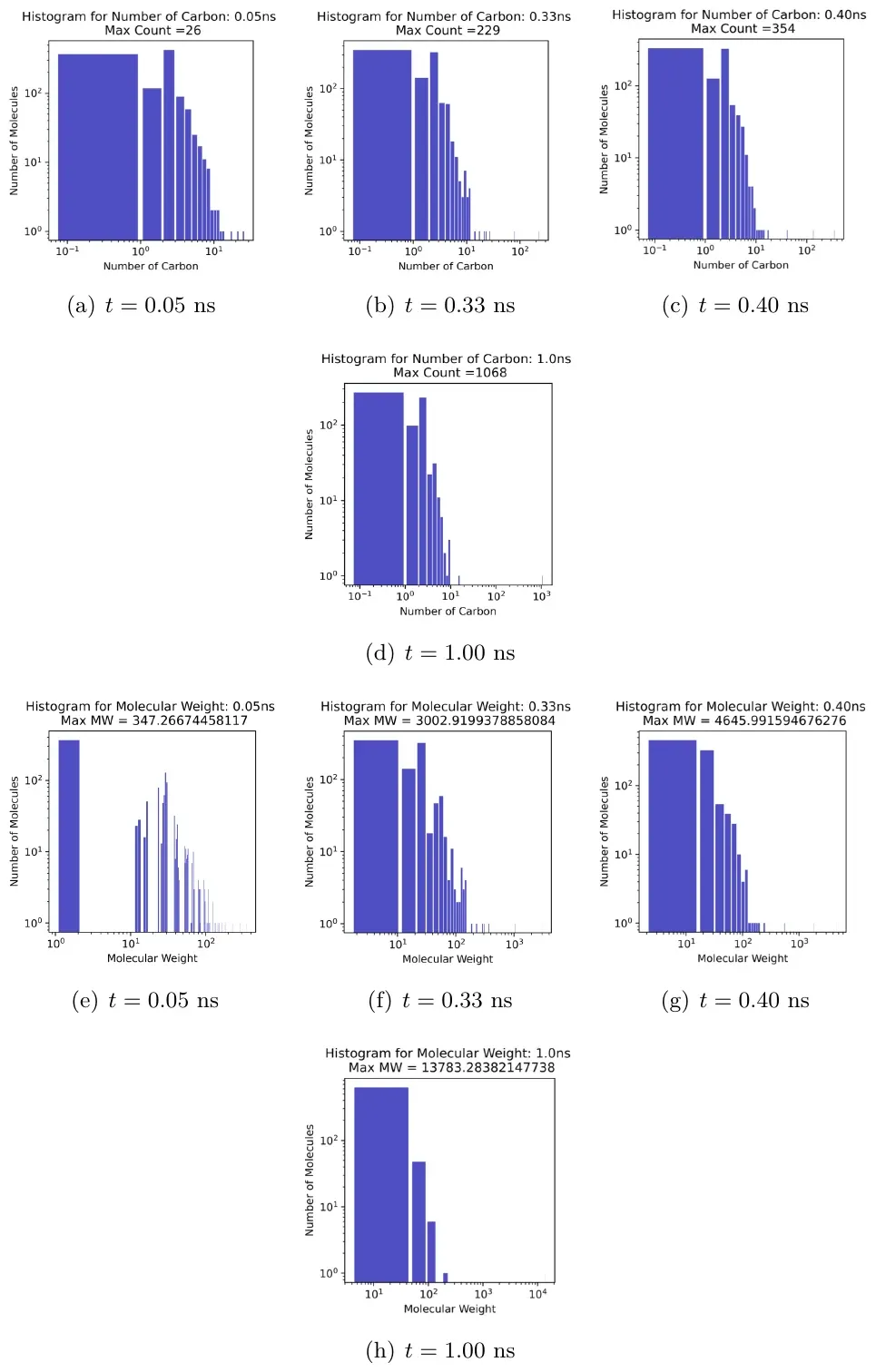
Chapter 3: Defining the Gas-to-Particle Boundary1
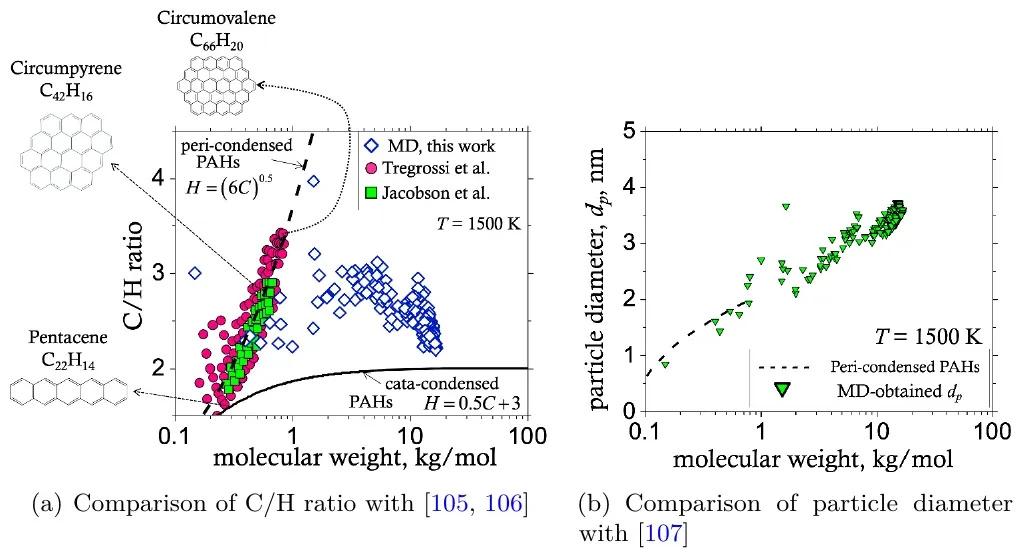
Identifies a clear molecular size threshold that marks the transition from gas-phase species to particulate soot.
See: Figure 3.1 (p. 60), Table 3.1 (p. 63), Figure 3.3 (p. 62)
Building Blocks Identified
Smaller molecules with fewer than 20 carbon atoms (MW ≤ 240 kg/kmol) act as the fundamental building blocks for soot nucleation.
See: Figure 3.4 (p. 65), Figure 3.2 (p. 61)
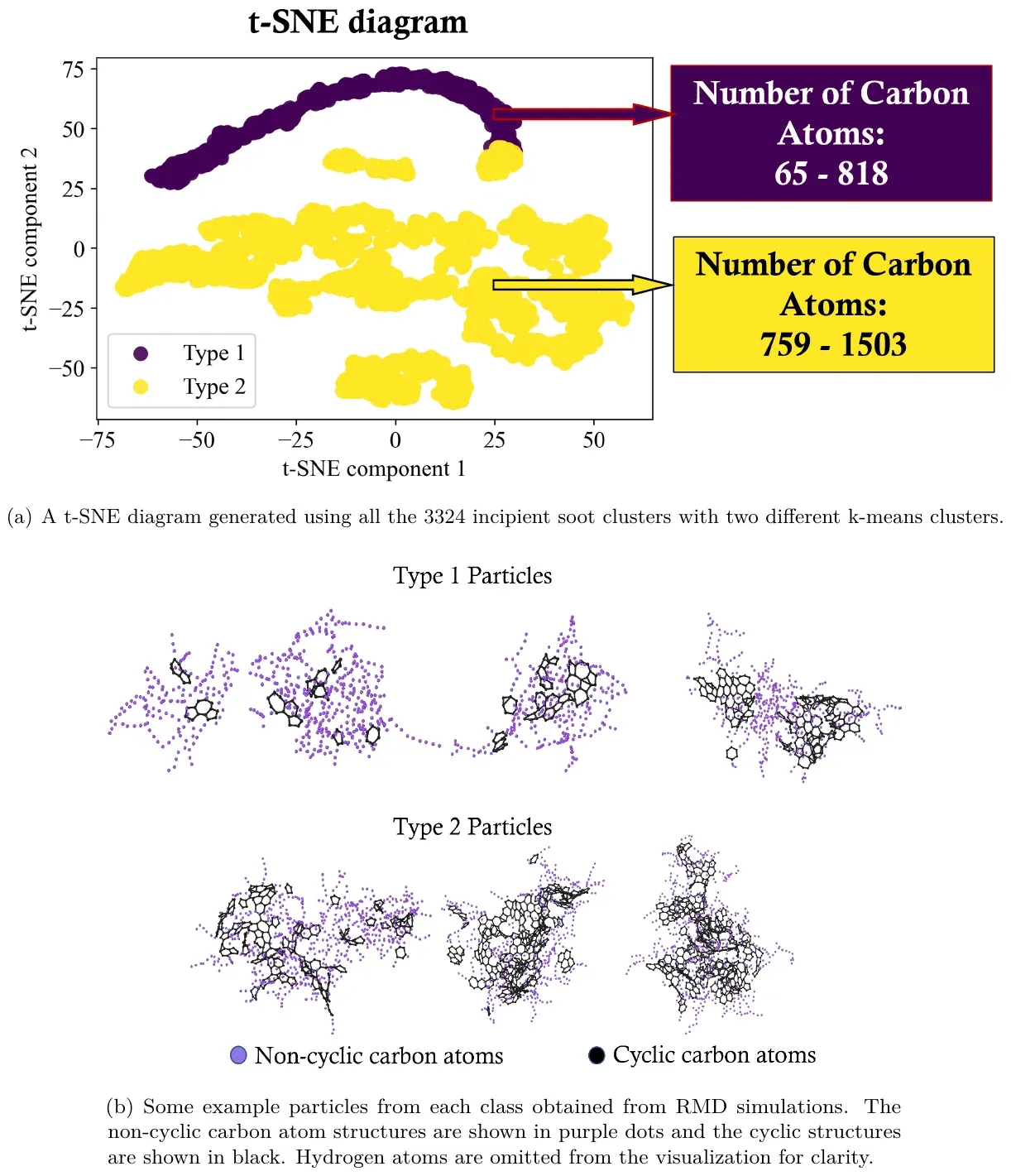
Chapter 4: Uncovering the Internal Structure2
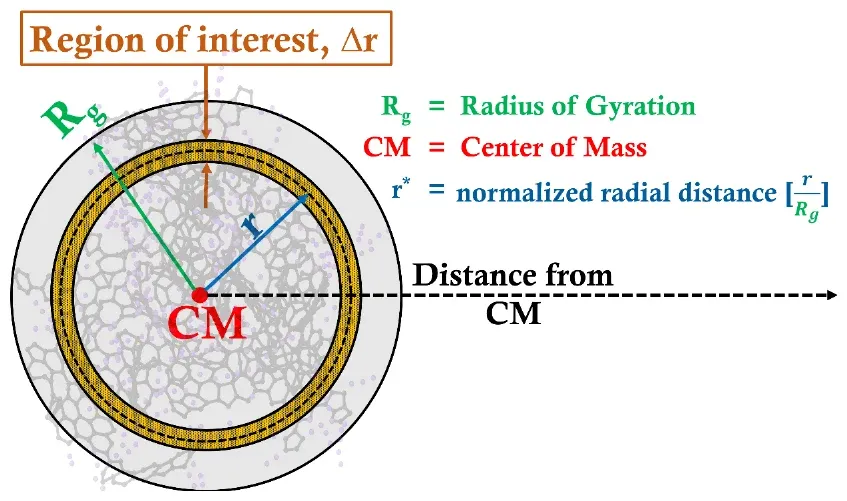
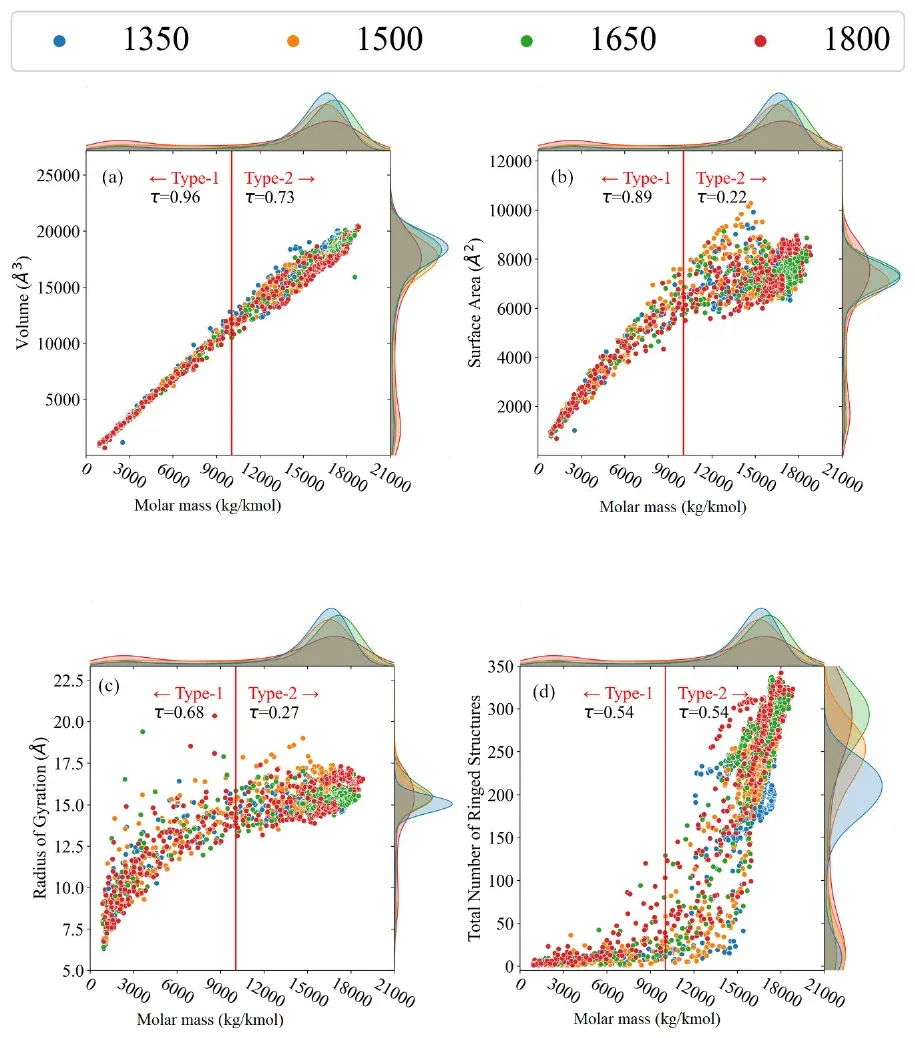
Reveals that incipient soot particles evolve through two distinct structural stages, classified using machine learning.
See: Figure 4.4 (p. 77), Figure 4.1 (p. 72), Figure 4.10 (p. 86)
Type 1 Particles
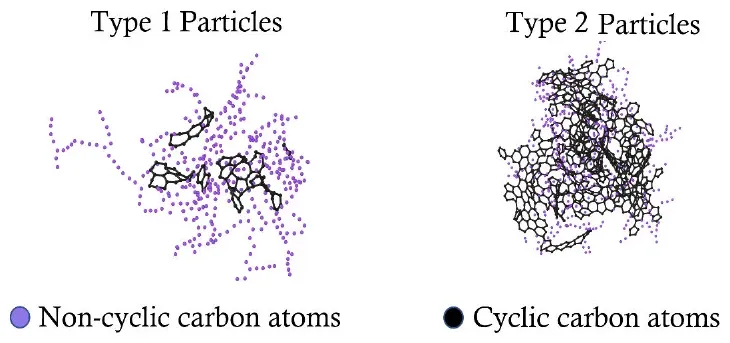
Smaller (65-818 carbon atoms), less developed particles dominated by non-cyclic, chain-like carbon structures.
See: Figure 4.4 (p. 77), Figure 5.2 (p. 97)
Type 2 Particles
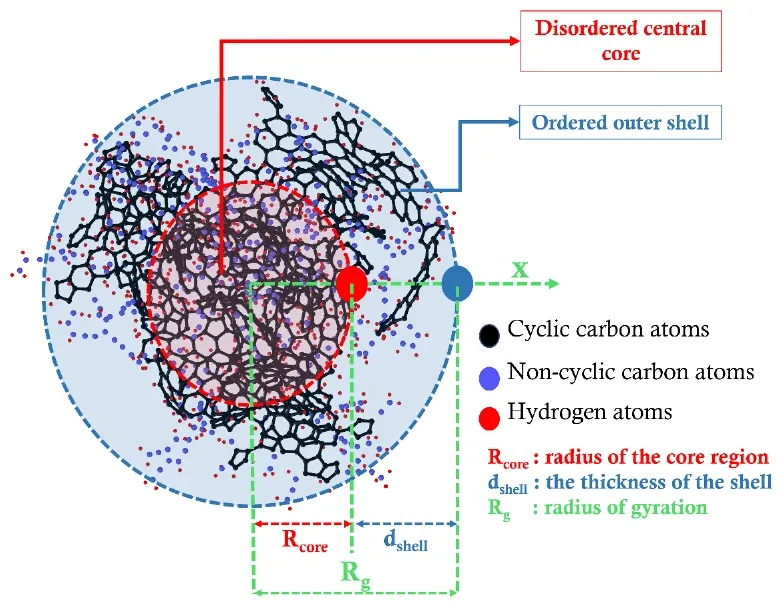
Larger (759-1503 carbon atoms), more mature particles with a distinct core-shell structure. The core is dense and rich in rings, while the shell is less dense.
See: Figure 4.9 (p. 85), Figure 4.10 (p. 86), Figure 5.2 (p. 97)
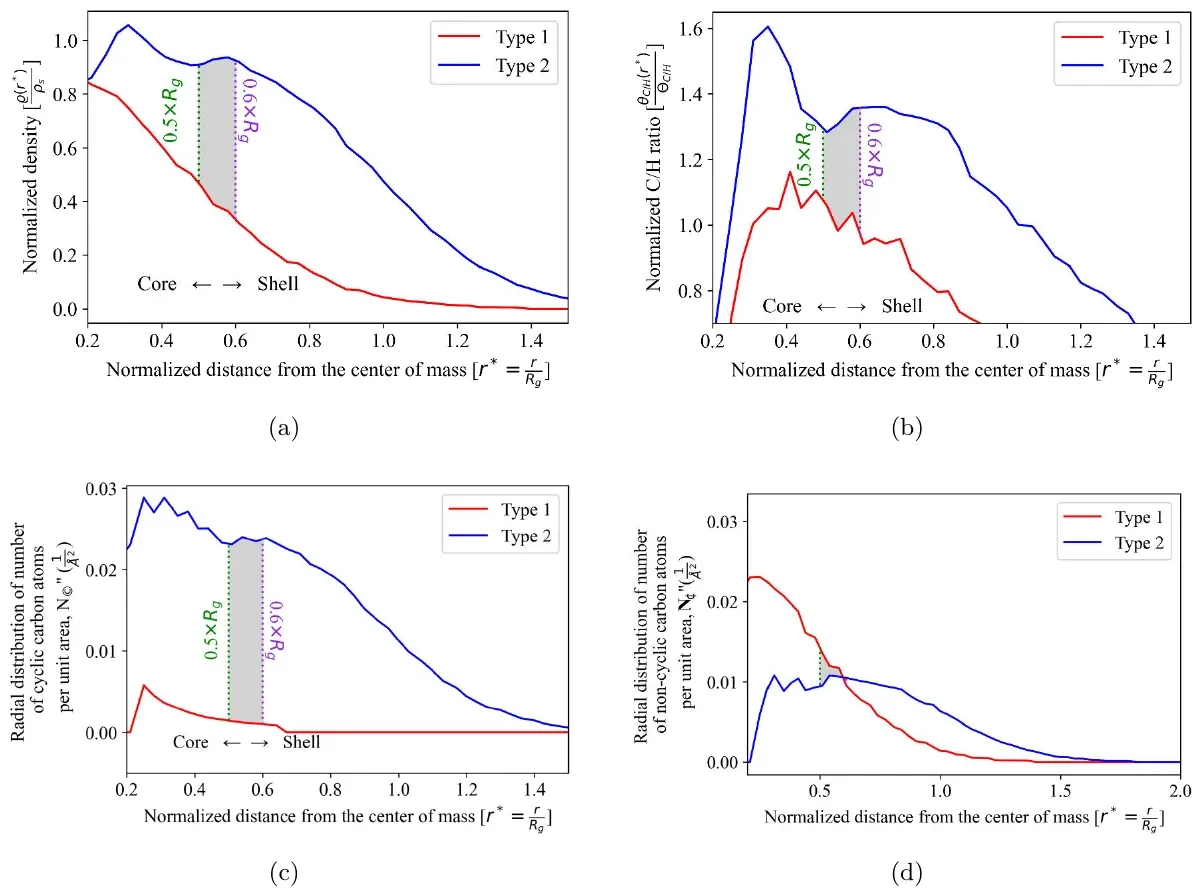
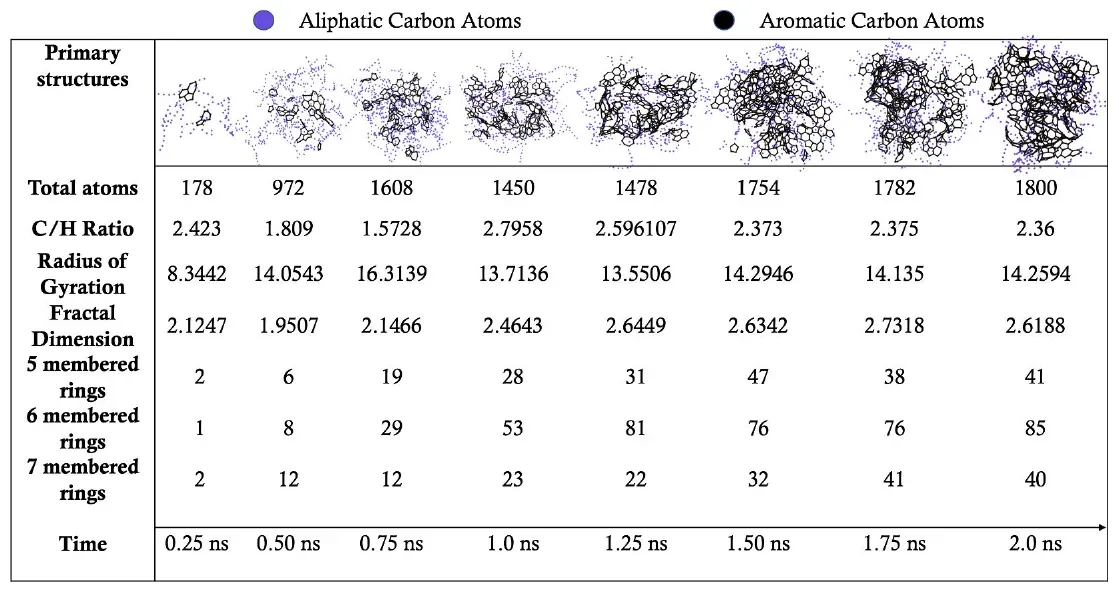
Chapter 5: Tracking Physicochemical Evolution2
Analyzes how the physical and chemical properties of soot particles change as they grow and mature.
See: Figure 5.1 (p. 93), Figure 5.11 (p. 115), Table 5.2 (p. 114)

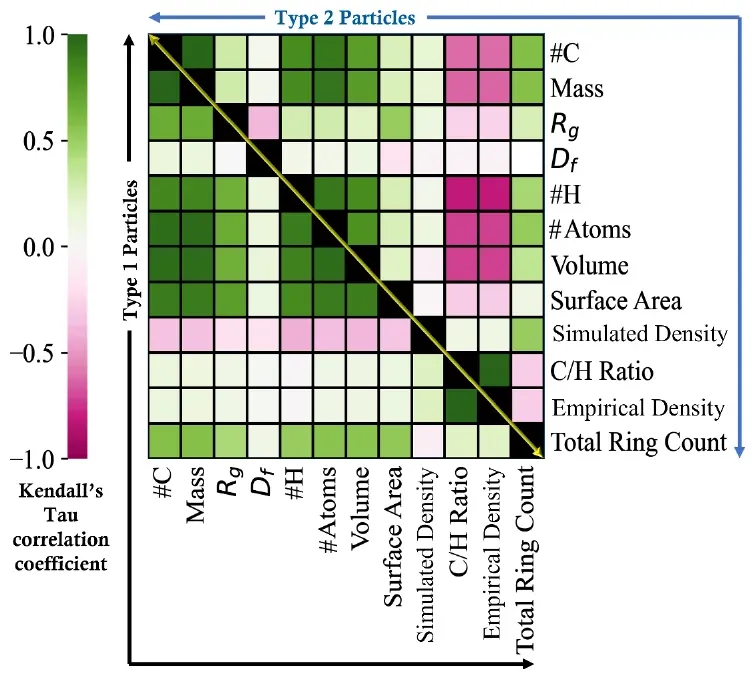
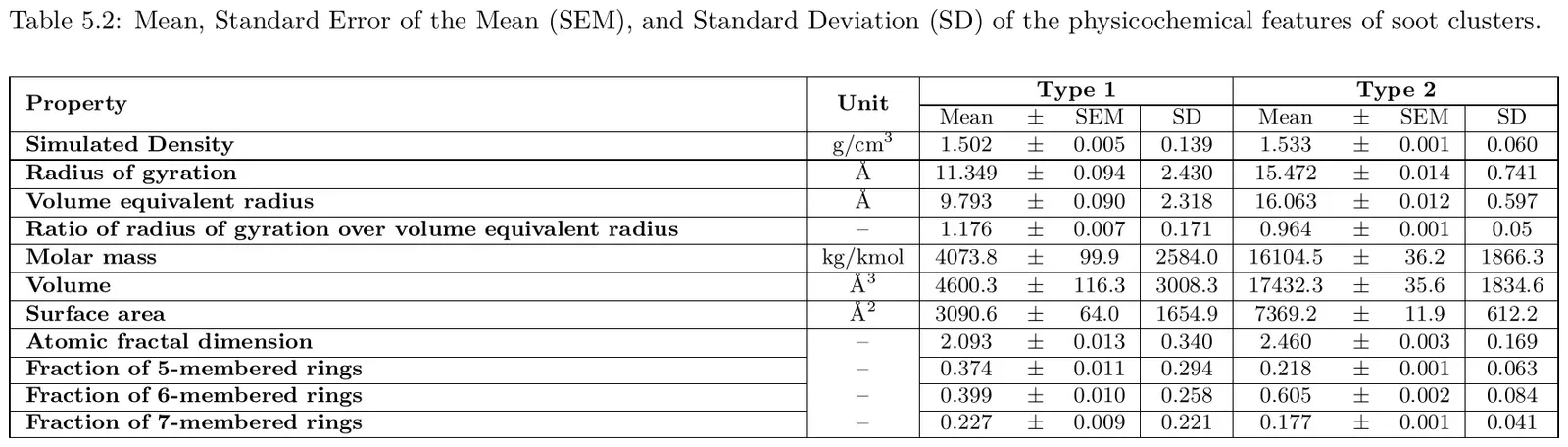
Morphological Evolution
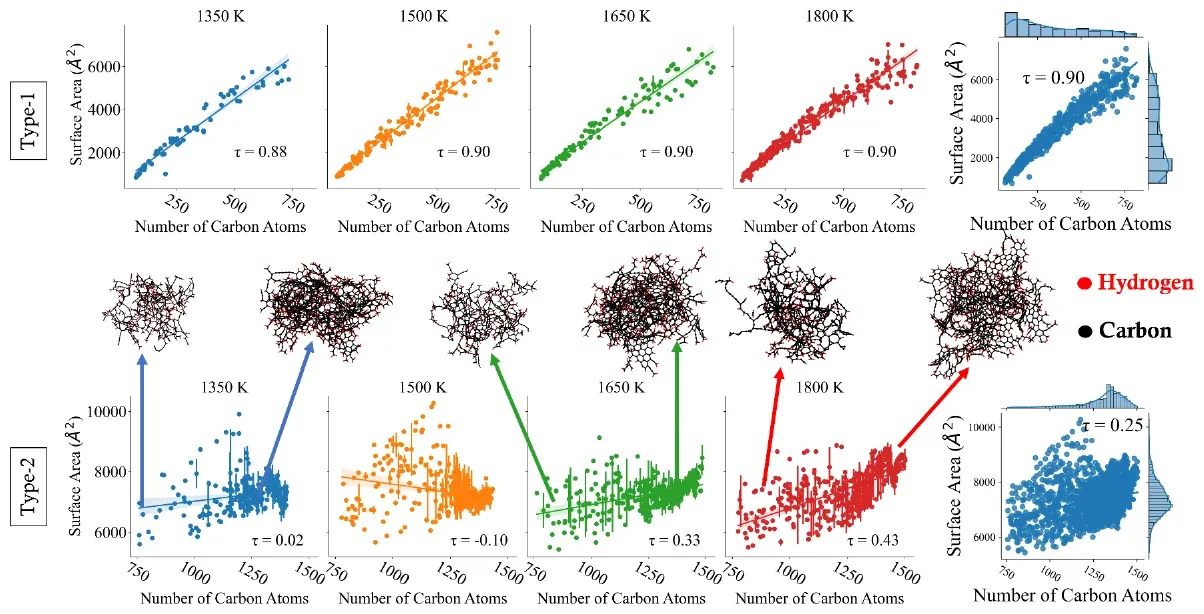
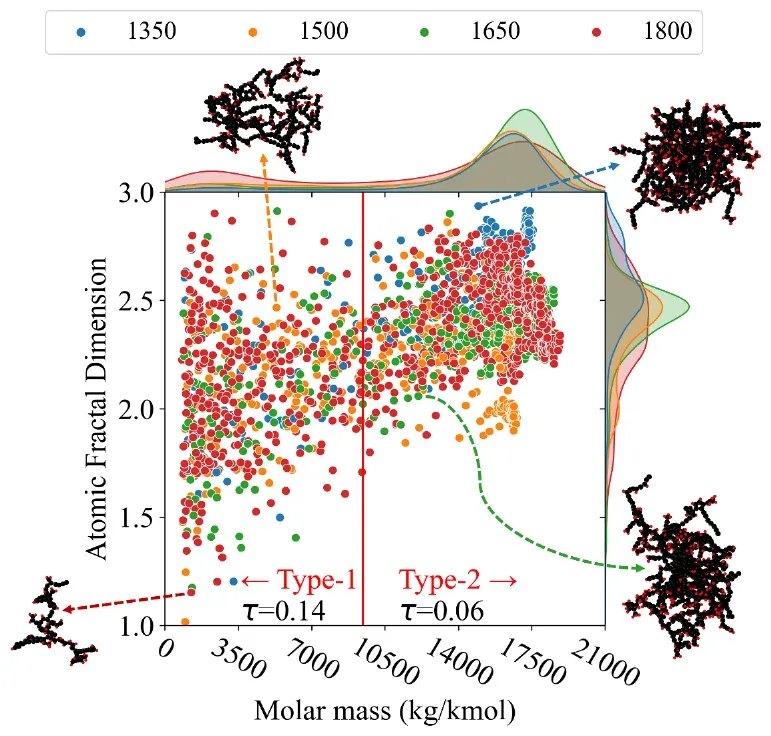
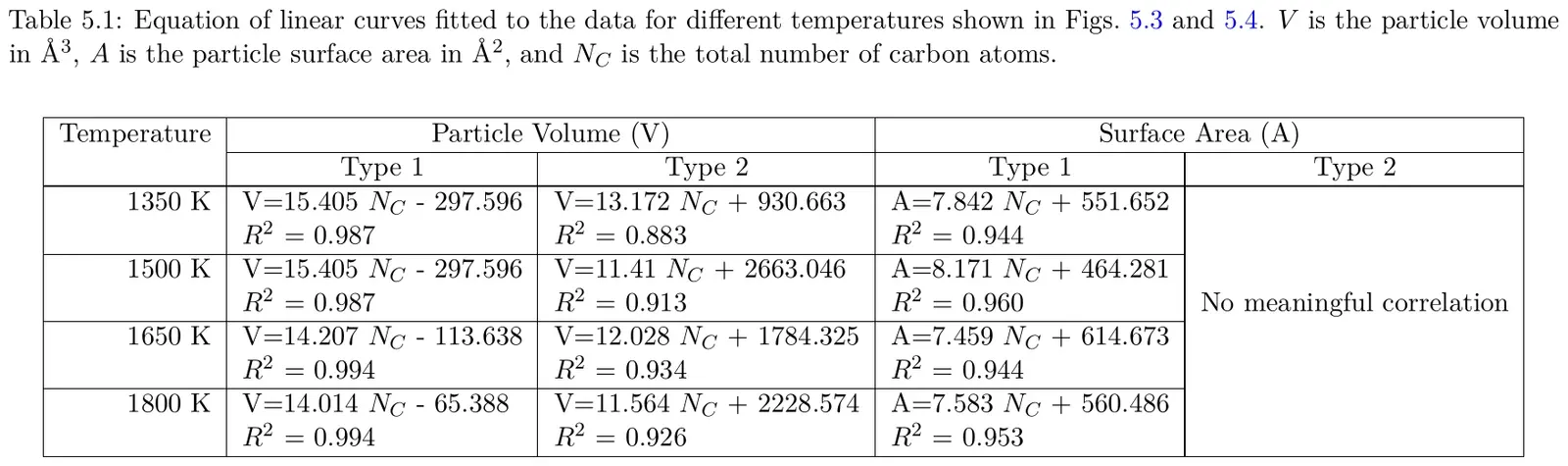
As particles grow, their shape becomes more spherical. The correlation between mass and surface area weakens in Type 2 particles due to significant surface reorganization.
See: Figure 5.3 (p. 99), Figure 5.4 (p. 100), Figure 5.8 (p. 109)
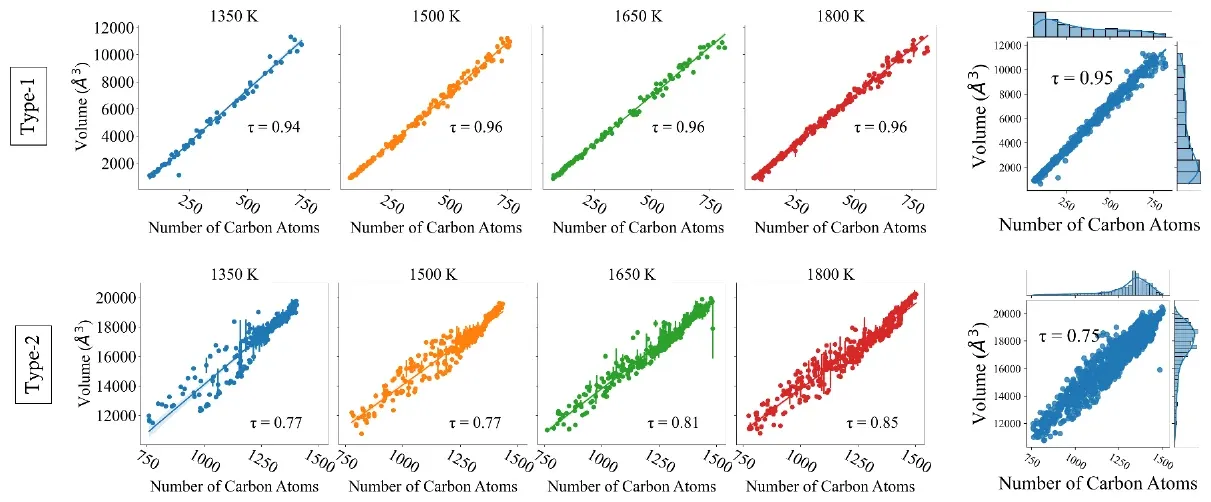
Chemical Evolution
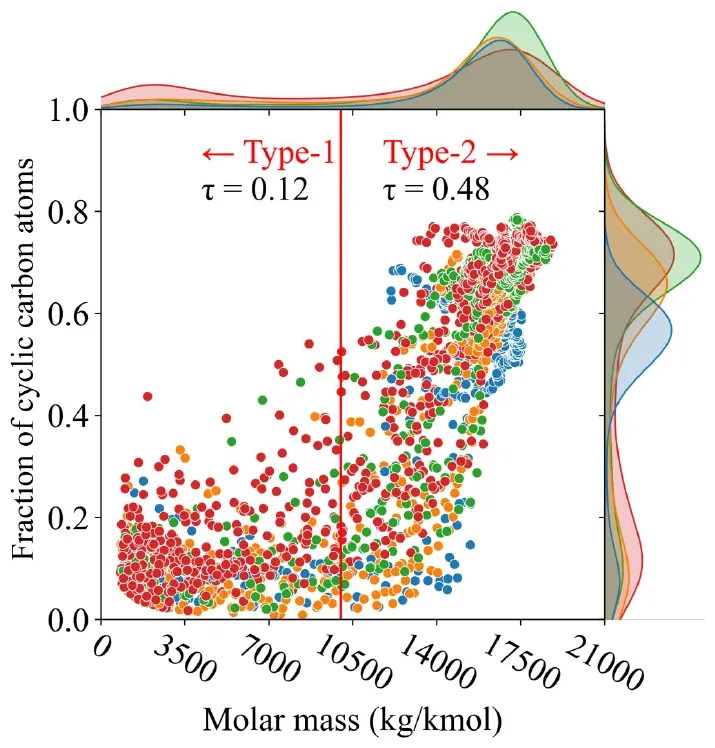
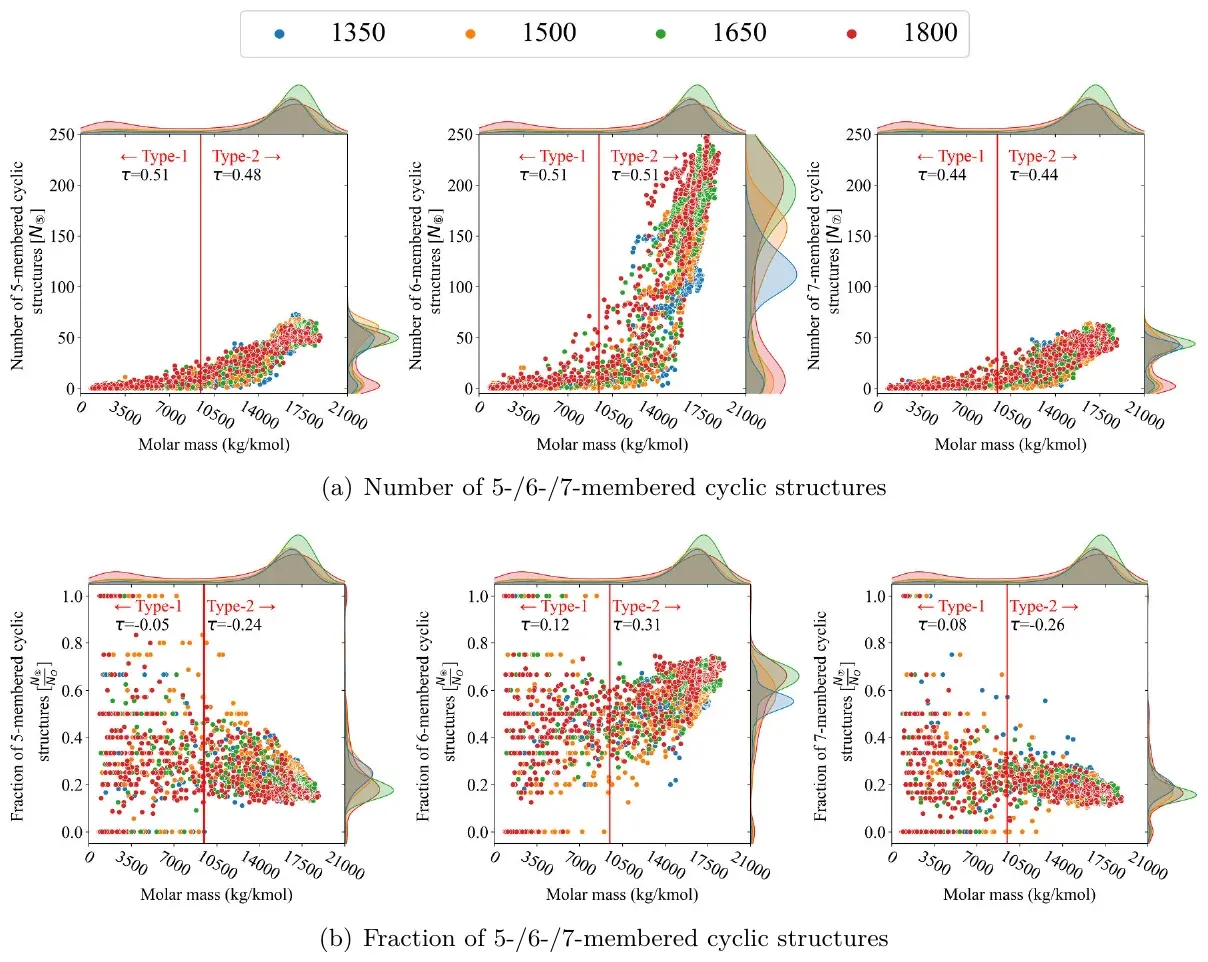
In mature Type 2 particles, a chemical restructuring occurs where less-stable 5- and 7-membered rings are converted into more energetically favorable 6-membered rings.
See: Figure 5.5 (p. 101), Figure 5.10 (p. 112)
Chapter 6: Characterizing Pores and Surfaces3
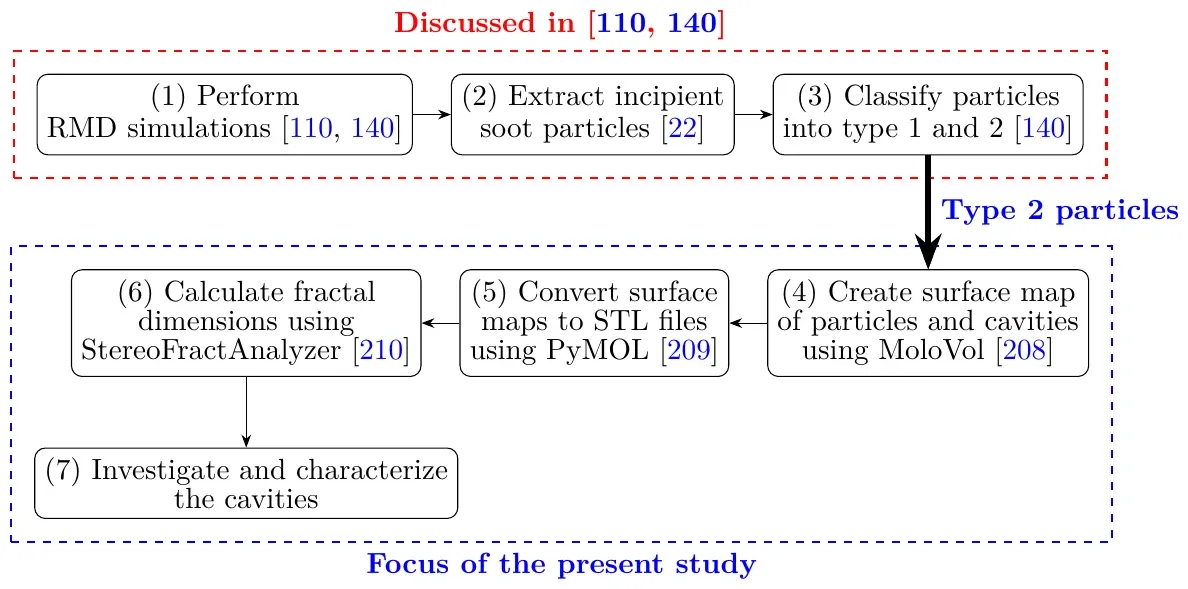
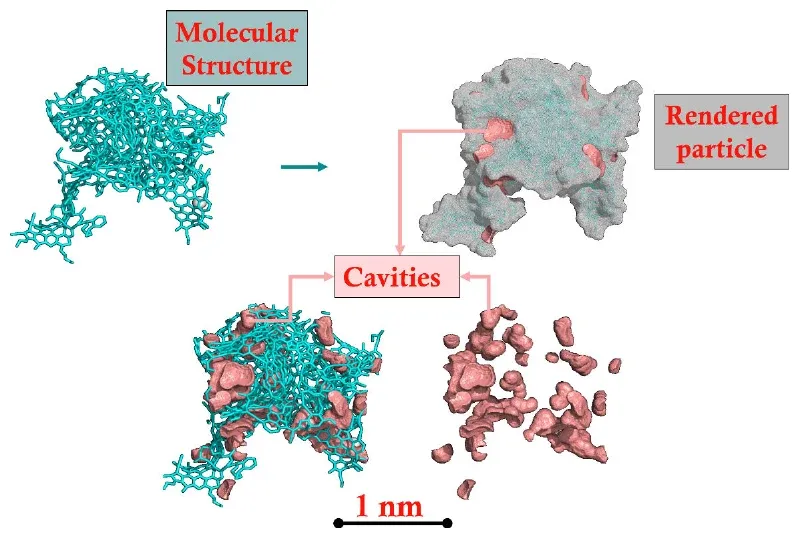
Provides a detailed analysis of the internal porosity and surface complexity of incipient soot.
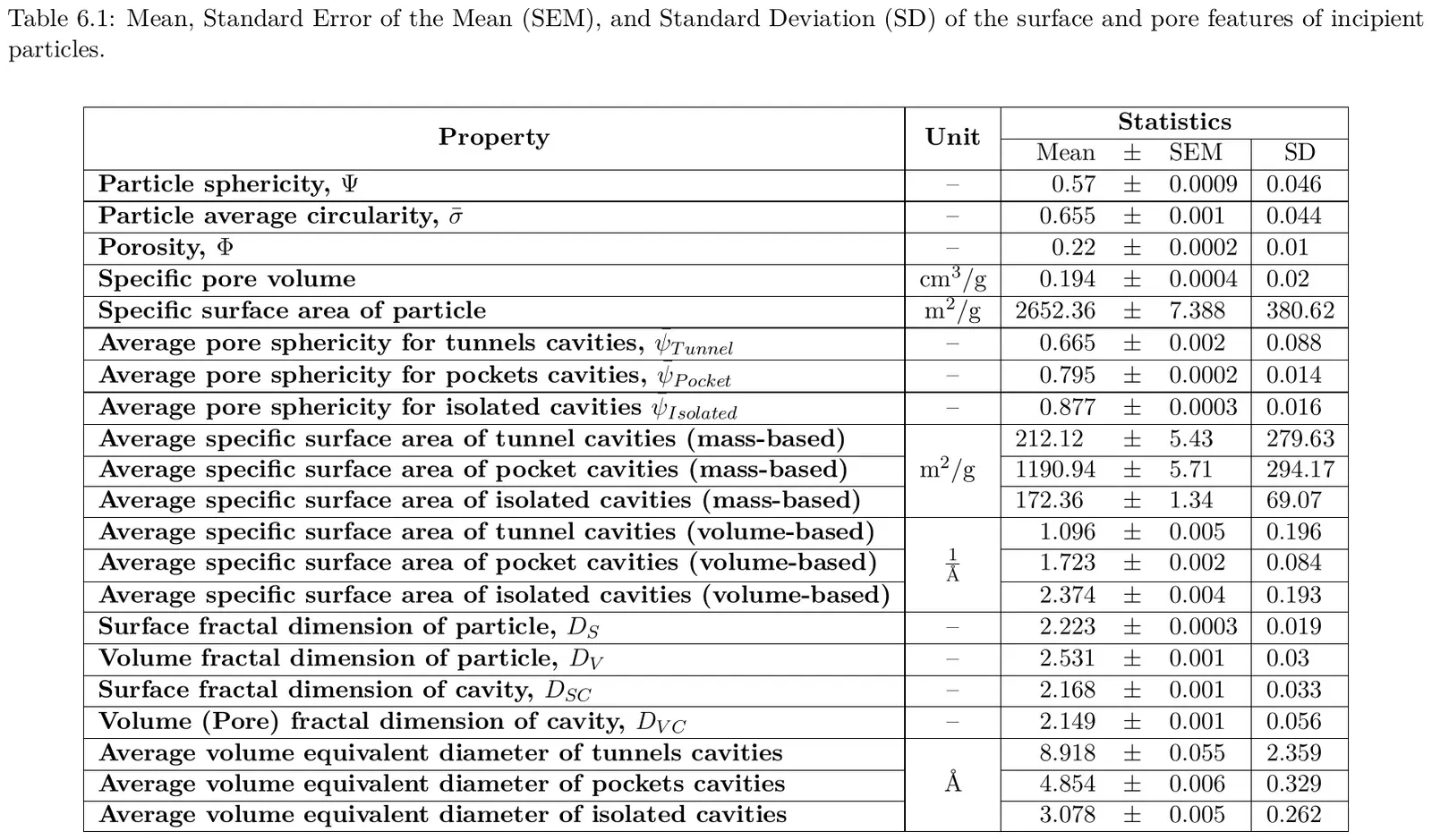
See: Figure 6.2 (p. 121), Figure 6.3 (p. 123), Table 6.1 (p. 142)
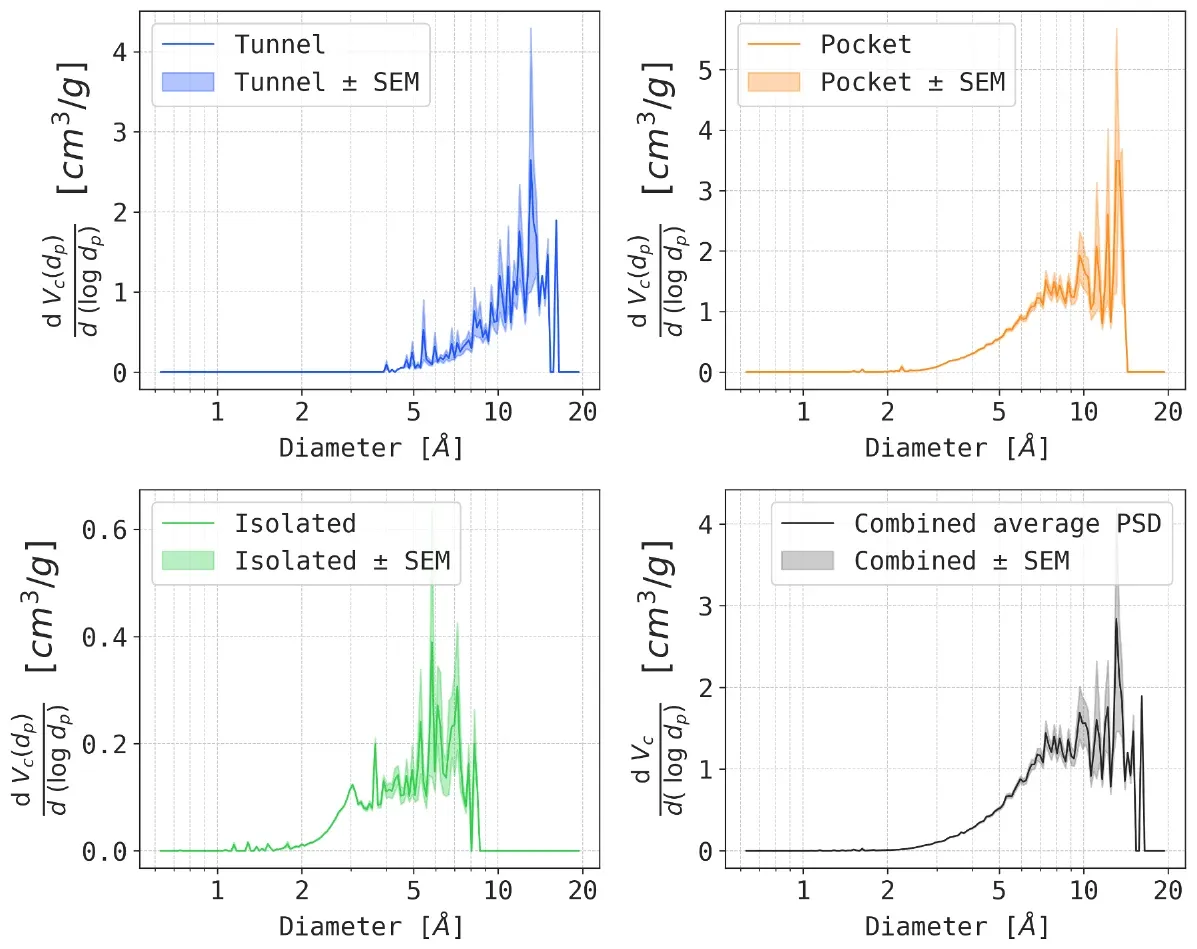
Porosity & Micropores
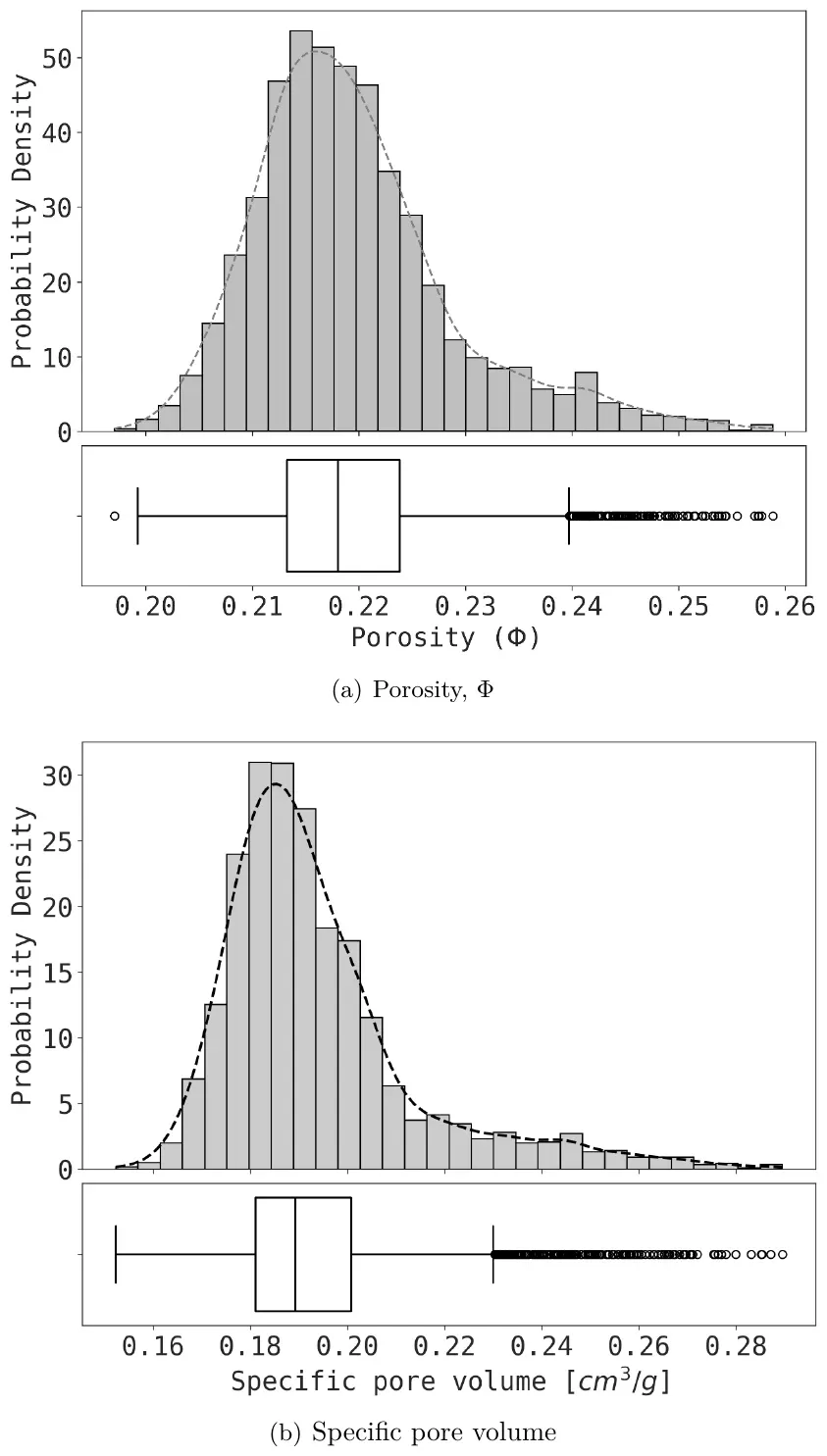
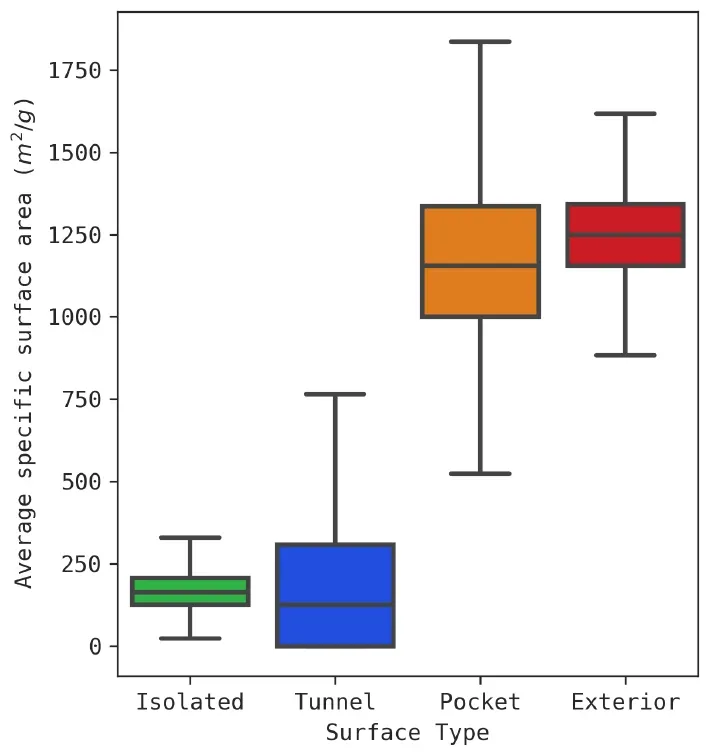
Soot particles are highly porous (~22% void space) and are filled with tiny micropores (< 2 nm), which gives them a very high specific surface area.
See: Figure 6.6 (p. 127), Figure 6.12 (p. 137), Figure 6.14 (p. 139)
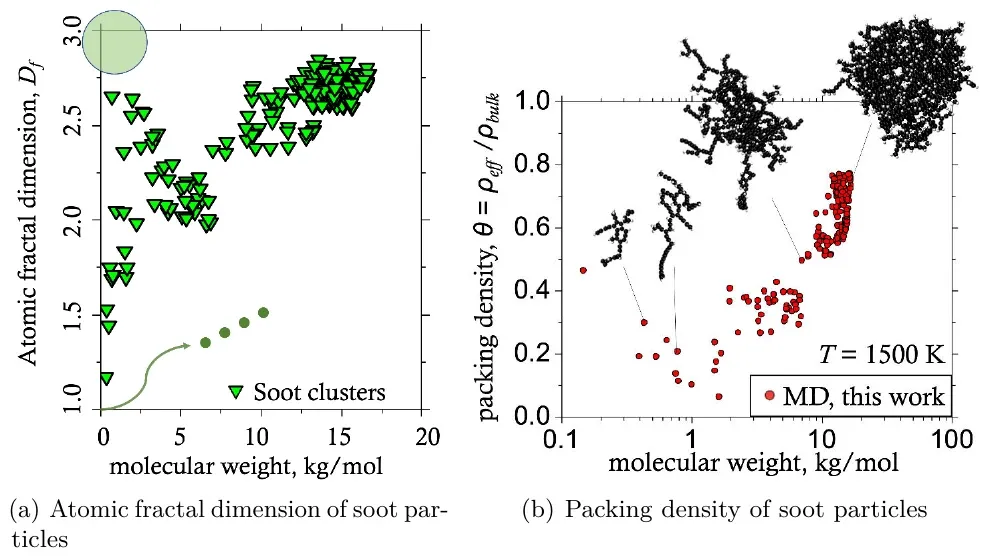
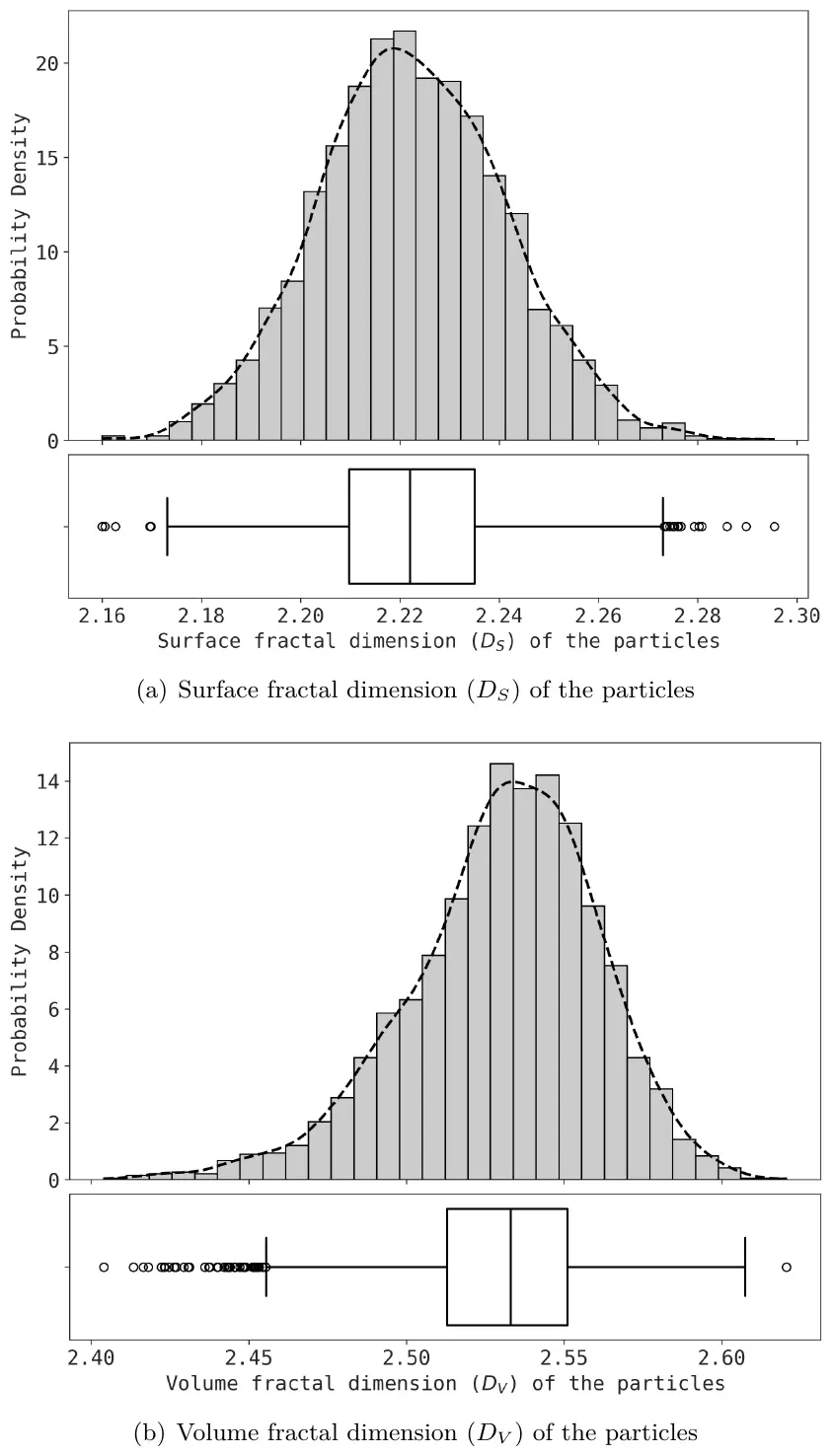
Fractal Nature
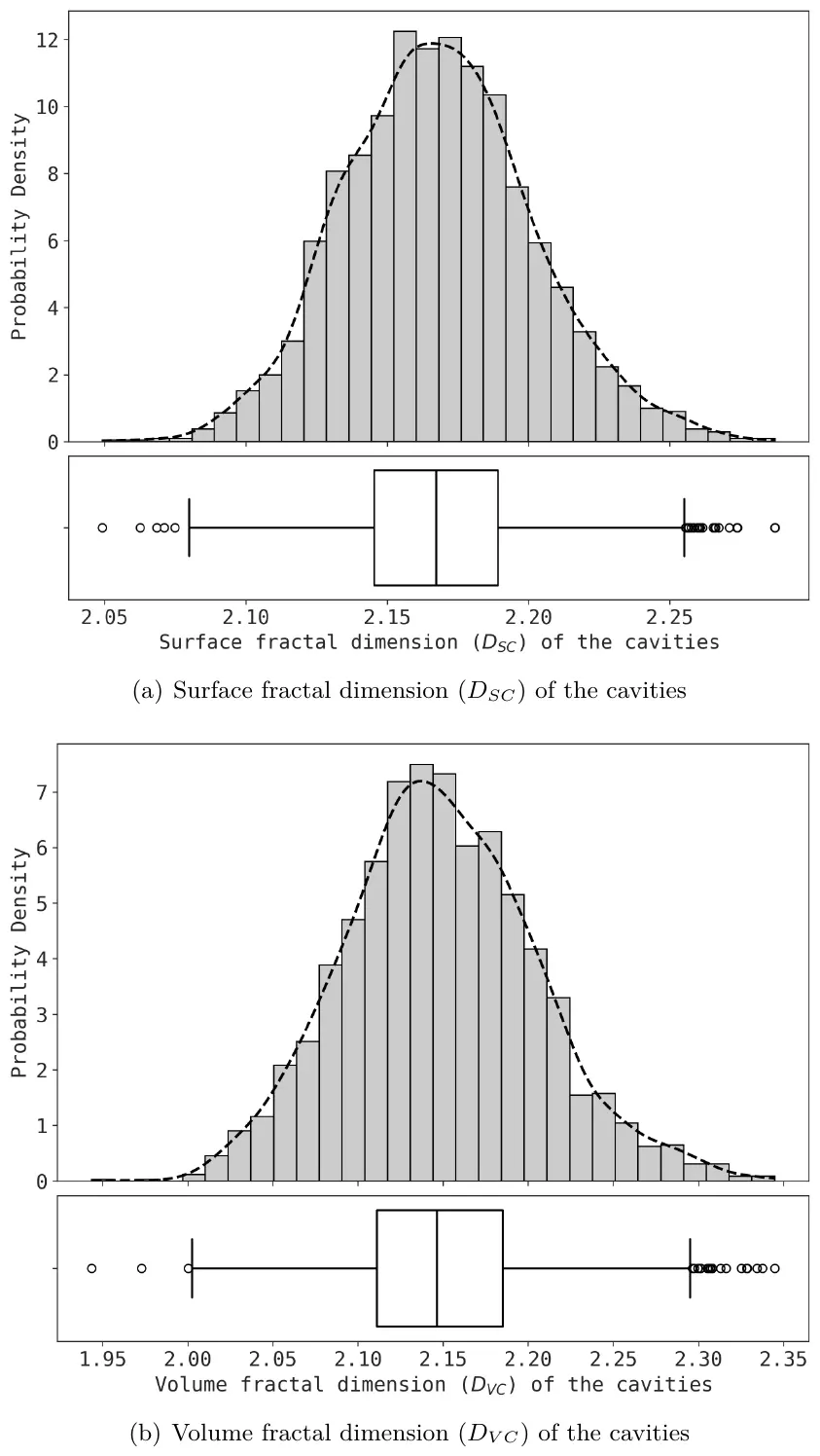
The particles have a rough, complex surface (surface fractal dimension Ds ≈ 2.22) and a porous internal structure (volume fractal dimension Dv ≈ 2.53).
See: Figure 6.10 (p. 134), Figure 6.11 (p. 135)
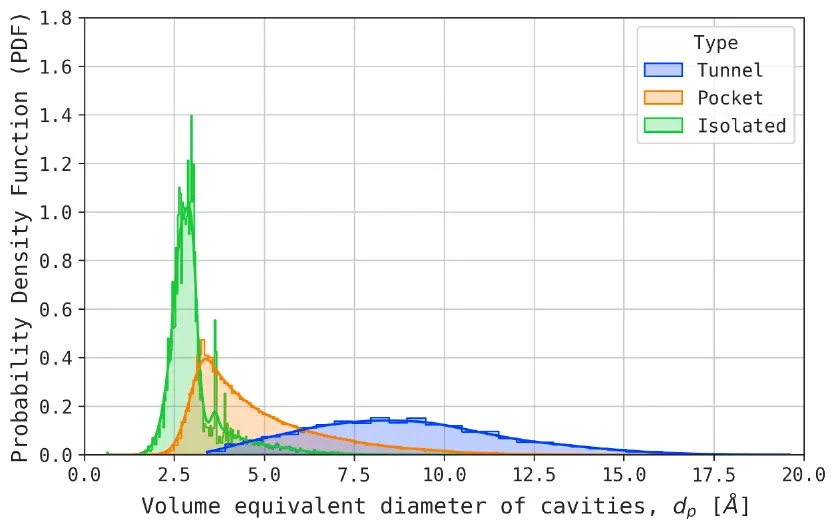
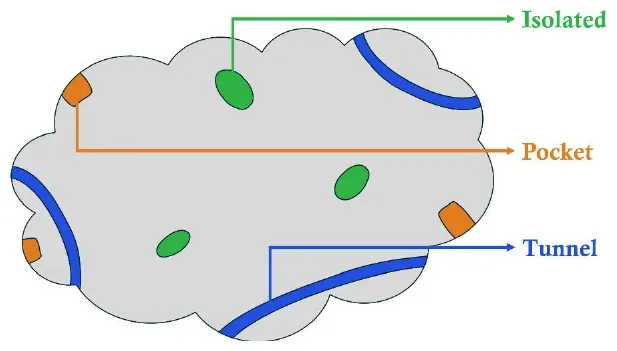
Cavity Types
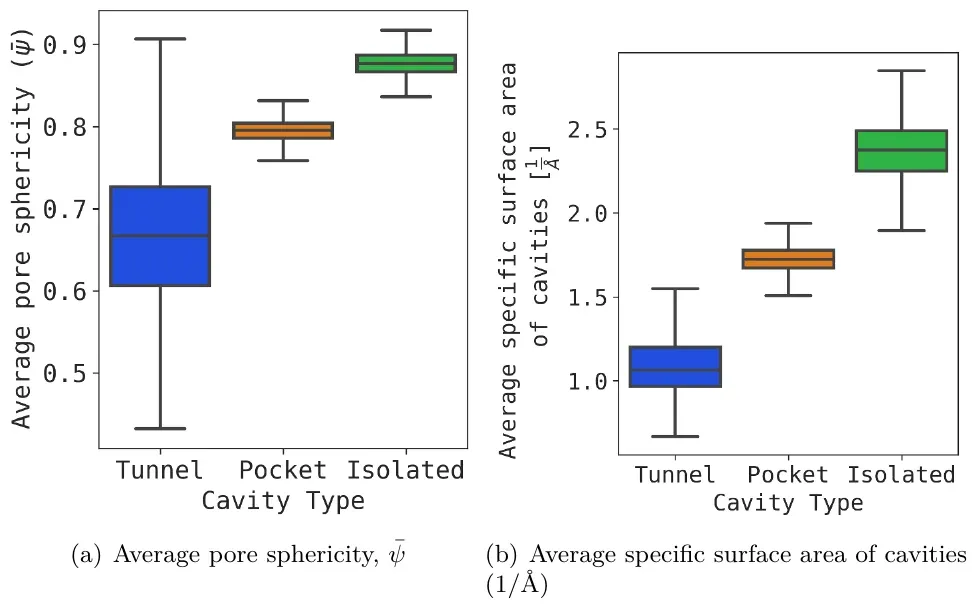
Pores were classified as isolated (enclosed), pocket (one opening), and tunnel (multiple openings), with pocket-type cavities contributing most to the high surface area.
See: Figure 6.1 (p. 120), Figure 6.8 (p. 130), Figure 6.9 (p. 131)
IV. Summary & Future Work2
Summarizes the main contributions of the dissertation and proposes avenues for future research.
Key Contributions3
The three primary outcomes of this research.
Developed MAFIA-MD Software
Created a novel post-processing tool for detailed soot analysis from RMD simulations.
See: Figure 2.3 (p. 39)
Characterized Core-Shell Structure
Provided the first molecular-level characterization of the core-shell structure in incipient soot.
See: Figure 4.10 (p. 86)
Established Quantitative Models
Established quantitative relationships between key soot properties to improve engineering-scale models.
See: Figure 5.6 (p. 105), Table 5.1 (p. 103)
Future Directions3
Potential next steps to build upon this research.
Expand Simulations
Extend simulations to different fuels (e.g., n-heptane, biodiesel) and conditions (e.g., higher pressures).
Model Later Stages
Investigate the aggregation and coagulation of primary particles to form larger soot chains.
Integrate into Engineering Models
Incorporate the detailed findings from RMD into larger-scale combustion models (e.g., CFD) to improve their predictive accuracy.