Blog · · 1 min read
Hello, world: what this blog is for
A first post: what I plan to write about here, and a quick tour of what a post can hold: equations, code, figures and footnotes.
I am starting this blog as a place for notes that are longer than a News item. I expect to write about three kinds of things:
- Research: background and context for published work, told less formally than in the papers.
- Scientific tools: practical notes on the software I use and write, such as OpenFOAM, LAMMPS, Python, HPC clusters and LaTeX.
- Personal: travel, photography, and the occasional post that has nothing to do with work.
What a post can hold
This first post is also a demo of the format.

Equations are typeset when the site is built, so they need no JavaScript in your browser. Inline, the Arrhenius rate constant reads . Displayed on its own line, here is the modified form used in many chemical mechanisms:
Code is highlighted:
import numpy as np

R = 8.314  # gas constant, J/(mol K)

def arrhenius(T, A, b, Ea):
    """Modified Arrhenius rate constant k(T) = A T^b exp(-Ea / (R T))."""
    return A * T**b * np.exp(-Ea / (R * T))
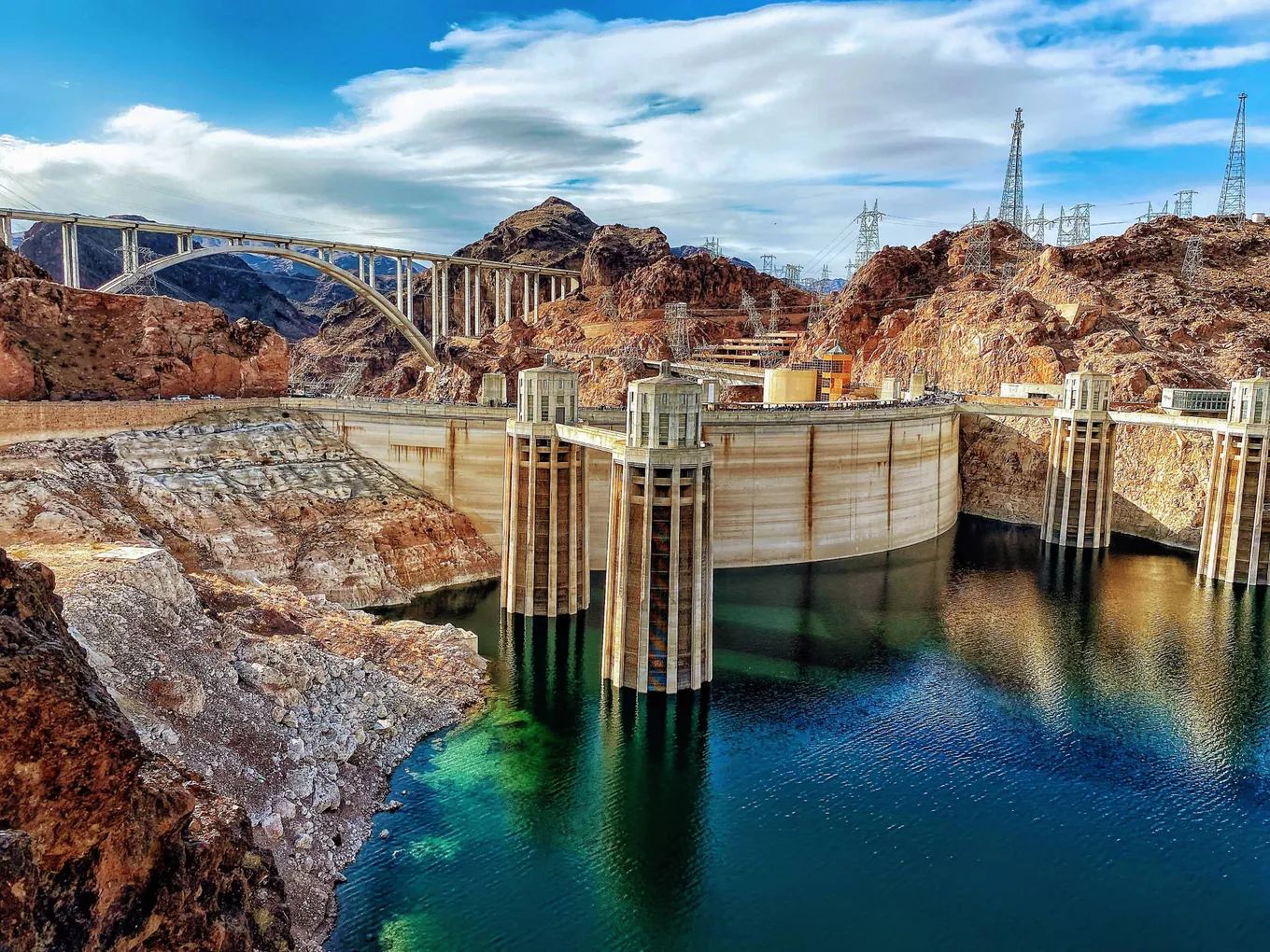
Figures take a caption, and can sit beside the text (as the waterfall above does) or across the full width of the column (as below). Footnotes work too.1
More soon.
Footnotes
-
Like this one. ↩